

On this page
A token and a trading pair are different objects
The DEX Screener API reference documents pair, search and token-pool lookups. This distinction matters: one token may trade in more than one pool, with different quote assets and liquidity. Compare the exact chain, token mint and pair before deciding that two screens disagree.
For example, a thin pool can display a sharp last-trade move while a larger pool provides a very different quote for your intended size. The useful result is a clear explanation of the discrepancy, not a claim that whichever number looks better is the correct trade price.
| Observation | Next question | BLIX research step |
|---|---|---|
| Volume rose | Which window and pool does the figure describe? | Match the mint and time window before comparing activity. |
| A token is prominent | Is visibility promoted, organic or a mixture? | Investigate actual trades, holder behavior and the underlying narrative. |
| Liquidity looks sufficient | What would a quote return at your size? | Review available quote and price-impact information, not just a headline amount. |
| A risk indicator is absent | Is it a clean result or missing coverage? | Read source freshness and holder-history limits before drawing a conclusion. |
Separate visibility from evidence
DEX Screener Boosts explained explains that purchased Boosts can affect Trending Score. A prominent listing should therefore begin an investigation, not finish it. This is not a claim that all rankings are paid or that a boosted token is fraudulent.
Record why a token first caught your attention. Then test the thesis against information independent of that attention: concentration, the activity of early holders, current quote conditions and sources behind the story.
When to evaluate BLIX
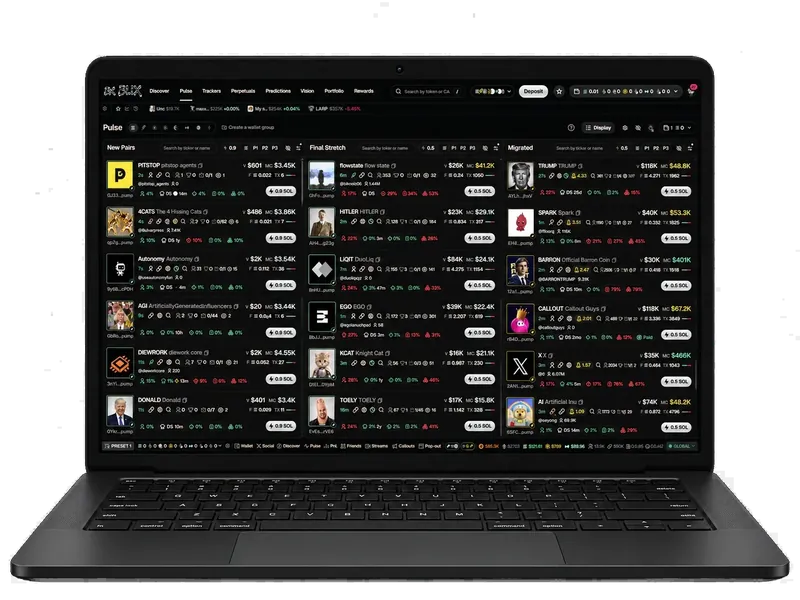
BLIX is useful to evaluate when your Solana workflow needs token discovery beside holder research, wallet context, AI explanations and a paper desk. Open the screener with a known mint and compare how much evidence you can inspect before acting.
Do not assume BLIX replaces every chain, historical dataset or pair view you use elsewhere. If a broad cross-chain watchlist is essential, verify each requirement separately. Different services can complement one another.
For developers comparing data sources
Start from the documented response fields. Keep missing values distinct from zero; preserve source and observation timestamps; record whether an answer refers to a token or a pool. Check usage terms and present-day limits directly before building around an endpoint.
The BLIX API reference describes its own research data. It is not a drop-in guarantee for DEX Screener's response schema. A migration needs a field-by-field comparison and a test of missing or stale data.
Sources and method
Reviewed by BLIX on October 10, 2026. This guide uses primary documentation and explains how to evaluate a workflow. It does not claim a hands-on execution test, a fee comparison or a trading-return advantage.
BLIX publishes this guide about its own product and is independent of the vendors named. Links contain no referral codes. Discuss corrections in the BLIX Discord.
Frequently asked questions
Is BLIX a replacement for every DEX Screener use?
No. Evaluate the chains, pool views, history and interfaces you actually require. BLIX's documented focus is Solana memecoin research and trading workflows.
Does a trending or boosted token make a good trade?
Visibility alone does not establish liquidity, ownership distribution or future demand. Use it as a discovery input and investigate the token separately.